
Choose protection for the product form
Sheet stacks, plates and coils have different contact areas and load behavior. Sheets may need fresh interleaving and film; plates need aligned stacking and suitable reinforcement; coils need protection around the outside diameter, both faces and inner eye. The packing plan should also account for handling and unloading.
Keep the material identifiable
Grade, dimensions and heat or coil identity need to remain connected through processing and packing. Legible marking and package labels support receiving checks at the destination and reduce ambiguity when an order includes several sizes or product forms.
Inspect before loading
At Sheye, direct factory loading keeps packaging and dispatch checks within the same operating route. The empty container is inspected, packages and labels are checked, and supports and restraint are arranged for the actual load. Indoor loading is used when rain makes surface protection necessary.
Record the final condition
Loading photographs and seal records document the dispatch condition. They complement inspection results and package identification. For a new order, include destination, packing orientation, special handling and unloading requirements early so the packing plan can be reviewed with the product specification.
This article draws on the Sheye Metal corporate, processing and quality brochure. Capability limits and acceptance criteria are confirmed for each order.
View the source brochure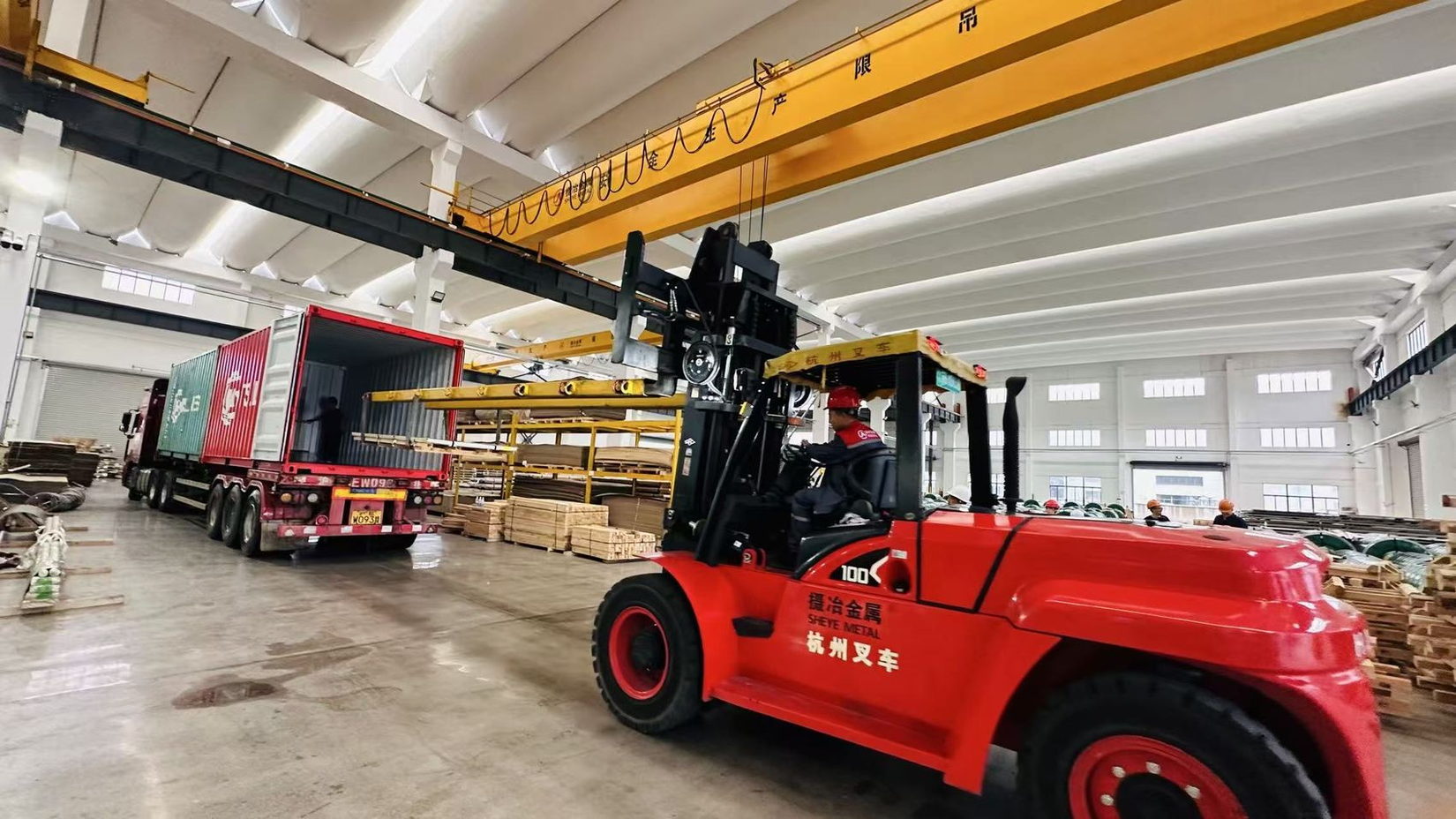
RELATED CAPABILITY
Protection & export packing
Protect the surface. Support the load. Keep the order identifiable.
Explore the process