2000 / 2438 / 3000 / 3048 / 4000 / 6000 mm; other cut lengths to order
Mill surface
2B / 2D / BA / 2R / BA0 / BA1 / BA2
Sheye surface processing
No.4 / HL / No.3 / SB / 6K / 8K; special finishes by agreement
Specification routes
GB/T 3280 · ASTM / ASME (specification to be agreed) · JIS G4305 · EN 10088 / EN 10028 (applicable part to be agreed) · Q/TB 3084 · IS 6911:2017
State the exact standard number, applicable part, edition and grade in your enquiry. The quotation and mill test certificate identify the agreed specification; a reference list does not certify every combination.
For cold-rolled widths above 1524 mm, discuss the TISCO mill route, grade and available thickness with Sheye.
BA0, BA1 and BA2 are mill finish descriptions. Confirm the mill code and an agreed surface sample; they are not universal equivalents.
Mill surface codes and decorative finish names are confirmed against the agreed description or sample. Additional processing depends on the grade, thickness and required finish.
PRODUCT DETAILS
Specify 316L Stainless Steel Sheet for your process
When the project specifies 316L, connect material selection with the intended service conditions and fabrication requirements. Confirm the project standard and acceptance criteria before production.
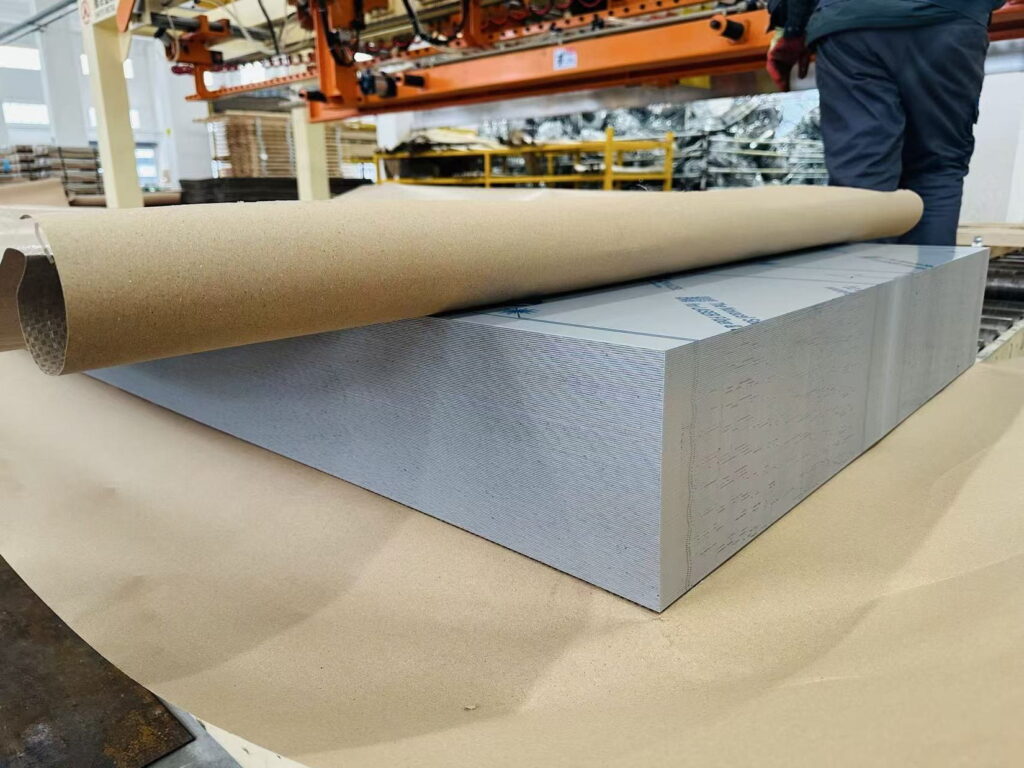
Define the delivered sheet size and how it will be handled after unpacking. Thickness, width, length, flatness and protective film should be considered together with the cutting and fabrication plan.
Application review
State the intended application, relevant purchasing specification and inspection documents required for the order.
Protect the sheet through fabrication
Identify which side will be visible, the film required and whether paper interleaving is needed. Include any downstream cutting or forming steps so handling and protection can be reviewed.
PRACTICAL BUYING QUESTIONS
Buying 316L Sheet for Fabricated Equipment
How should the surface of 316L sheet be specified for equipment fabrication?
Identify the functional face, finish, protective film if needed, and whether the sheet will be polished or treated after welding. Where roughness matters, define the measurement and acceptance criteria rather than relying on a finish name or visual brightness. Surface requirements for hygienic equipment concern the finished component as well as the incoming sheet, so a polished sheet alone does not establish food-contact or pharmaceutical conformity.
What should be checked before cutting, bending and welding 316L sheet?
Match the certificate to the sheet and check the supplied condition before planning the forming sequence. Dimensional tolerances, flatness and the intended part orientation affect fit-up, while the final weld and adjacent surface can influence corrosion performance. Low carbon reduces sensitization risk, but it does not remove the need for a suitable welding procedure and post-fabrication surface treatment. Define the finished part’s acceptance requirements before treating the sheet specification as complete.
May we use optional analytics cookies to understand visits and improve our website? You can use our website and send inquiries either way.
About analytics
With your permission, Google Analytics measures pages viewed, approximate visitor regions and inquiry, email and WhatsApp link interactions. It uses first-party cookies that identify a browser. We do not send your inquiry content, name, email address or phone number to Analytics. Google may process analytics data outside your country. Our analytics cookies expire within 6 months; your choice is remembered for 6 months. Withdraw permission any time using Privacy choices. This stops future collection and clears our analytics cookies.