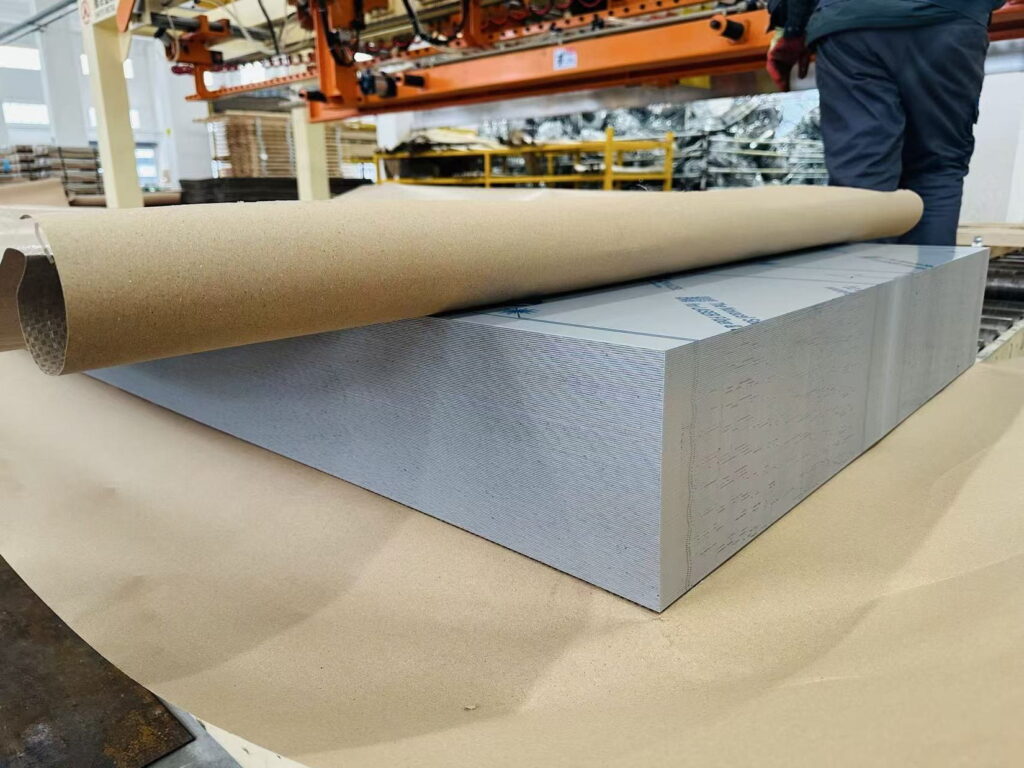
2000 / 2438 / 3000 / 3048 mm; other cut lengths within the stated limit
Mill surface
2B / 2BB / BA / BA0 / 2BA
Sheye surface processing
No.4 / HL / No.3 / SB / 6K / 8K; special finishes by agreement
Specification routes
GB/T 3280 · ASTM / ASME (specification to be agreed) · JIS G4305 · EN 10088 (applicable part to be agreed)
State the exact standard number, applicable part, edition and grade in your enquiry. The quotation and mill test certificate identify the agreed specification; a reference list does not certify every combination.
2BB, BA0 and 2BA are mill finish descriptions; confirm the mill code and an agreed sample.
Pressure-purpose EN requirements need separate grade-coverage confirmation; EN 10028 is not a blanket certification claim for 430.
Mill surface codes and decorative finish names are confirmed against the agreed description or sample. Additional processing depends on the grade, thickness and required finish.
PRODUCT DETAILS
Specify 430 Stainless Steel Sheet for your process
Start a 430 inquiry with the component specification and the required surface appearance. Share the forming, handling and visible-side requirements that affect material selection and protection.
Define the delivered sheet size and how it will be handled after unpacking. Thickness, width, length, flatness and protective film should be considered together with the cutting and fabrication plan.
Surface and fabrication
Provide the part requirements, desired appearance and downstream processing information for technical review.
Protect the sheet through fabrication
Identify which side will be visible, the film required and whether paper interleaving is needed. Include any downstream cutting or forming steps so handling and protection can be reviewed.
PRACTICAL BUYING QUESTIONS
430 sheet: appearance and component selection
What should I specify for 430 sheet used in an appliance panel?
Give the delivered sheet dimensions, the visible face and the required finish. If several pieces will be installed together, agree an appearance sample and any directional finish requirements. Also describe subsequent bending or pressing so the material is assessed for the finished component.
Keep appearance acceptance separate from dimensional and grade requirements. A visually matching sheet still needs the correct material specification for the intended service.
Can the same 430 sheet be used for both a dry cover and a welded wet-service part?
The two applications impose different demands. A dry cover may mainly need the required appearance and formability, while a welded part exposed to water or cleaning liquids also needs assessment of the joint and corrosion conditions.
Describe the exposure and joining process before substitution is agreed. Similar thickness or finish does not establish equivalent performance, and surface cleaning alone cannot correct an unsuitable material or welding route.
May we use optional analytics cookies to understand visits and improve our website? You can use our website and send inquiries either way.
About analytics
With your permission, Google Analytics measures pages viewed, approximate visitor regions and inquiry, email and WhatsApp link interactions. It uses first-party cookies that identify a browser. We do not send your inquiry content, name, email address or phone number to Analytics. Google may process analytics data outside your country. Our analytics cookies expire within 6 months; your choice is remembered for 6 months. Withdraw permission any time using Privacy choices. This stops future collection and clears our analytics cookies.